
Situational Awareness in Self Defence: How to Spot Danger Before It Happens
Insights from A.C.T. Self Defence in Fareham. Real world self-defence, mindset and training breakdowns.
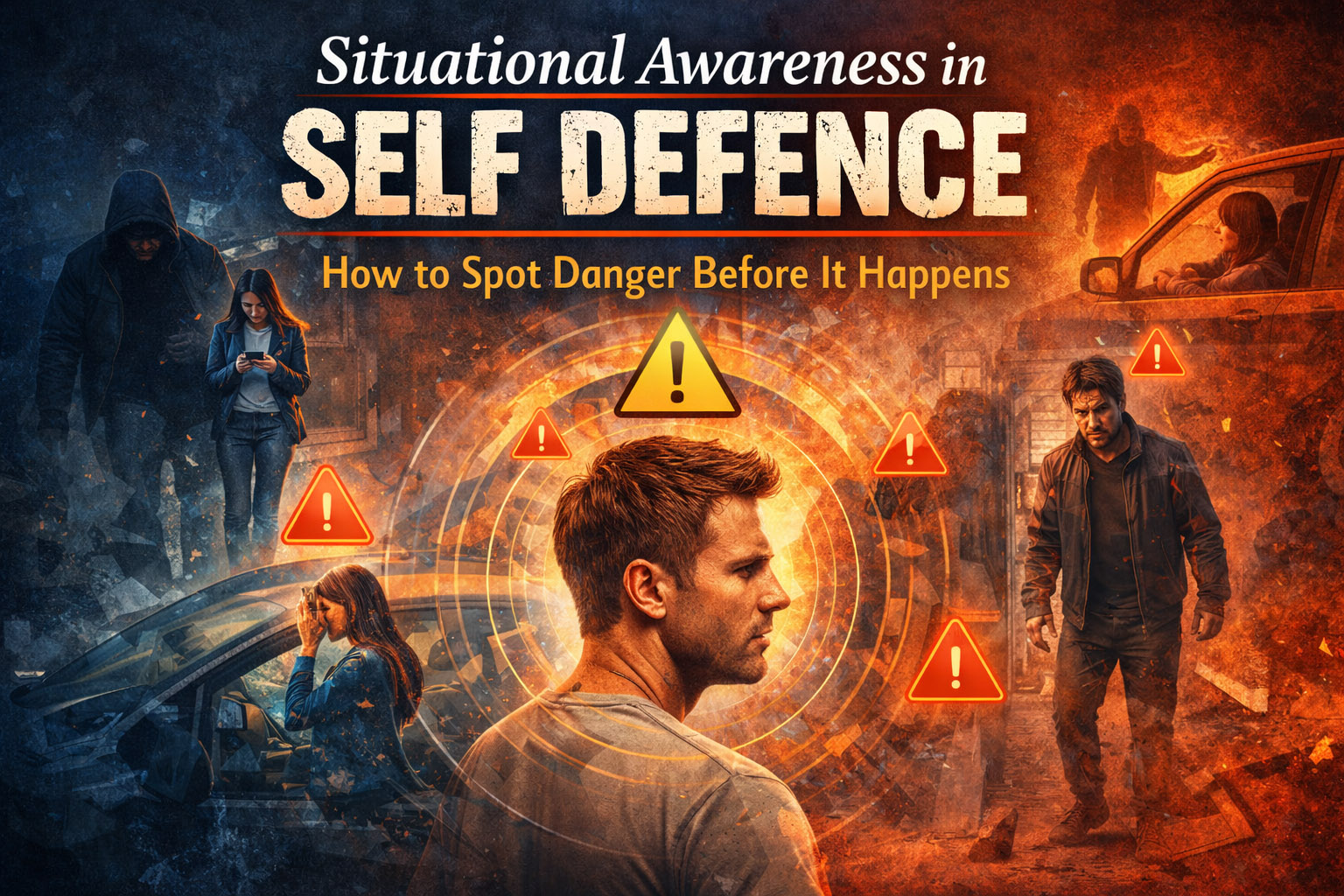
What Is Situational Awareness?
Situational awareness is the ability to notice what is happening around you and understand how it may affect your personal safety. In self defence, this skill is often more important than physical techniques.
Many confrontations can be avoided entirely if potential threats are recognised early. This gives you time to change direction, increase distance, or prepare mentally before a situation escalates.
Why Awareness Is Your First Line of Defence
Most attackers rely on surprise, distraction, or intimidation. People who appear alert and confident are far less likely to be targeted.
Situational awareness allows you to spot unusual behaviour, changes in atmosphere, or individuals who seem overly interested in you. These early warning signs often appear long before any physical threat.
At A.C.T. Self Defence, we teach awareness as a habit rather than a constant state of fear. It is about observation, not paranoia.
Common Awareness Mistakes People Make
One of the biggest mistakes people make is becoming absorbed in their phone while walking, especially in unfamiliar areas. This limits your ability to notice changes around you.
Another common error is assuming that danger only exists in dark or isolated places. In reality, incidents can happen in busy environments where people feel falsely secure.
Awareness is not about judging others, but about recognising behaviour and context. Trusting your instincts when something feels wrong is an important part of staying safe.
How Criminals Choose Their Targets
Criminals often look for signs of vulnerability such as poor posture, lack of eye contact, distraction, or uncertainty. These signals suggest an easier target.
People who move with purpose, scan their surroundings, and acknowledge others confidently are far less appealing to someone looking for an opportunity.
Understanding how offenders think allows you to adjust your behaviour in simple ways that significantly reduce risk.
Simple Ways to Improve Situational Awareness
Start by lifting your head and scanning your environment regularly. Notice who is nearby, where exits are, and any changes in movement or noise.
Limit distractions when walking alone, especially at night or in unfamiliar locations. Keep headphones low and avoid excessive phone use.
Positioning matters. Standing near exits, choosing well-lit routes, and maintaining personal space all improve safety without drawing attention.
Situational Awareness and Self Defence Training
Awareness is a skill that improves with practice. Structured self defence training helps people learn what to look for and how to respond calmly when something feels wrong.
At A.C.T. Self Defence, we combine awareness training with practical techniques so students understand when avoidance is possible and when action is required.
By developing situational awareness, you significantly reduce the likelihood of ever needing to use physical self defence.
Staying Safe Without Living in Fear
Being aware does not mean being anxious or suspicious of everyone around you. It means being present, informed, and prepared.
Confidence grows when you understand that you have options. Awareness gives you time, distance, and choice, which are the foundations of personal safety.
Self defence is about empowerment. Situational awareness helps you move through the world with confidence, not fear.
Written by Andy Hornby
Back to Blog